The founders winning right now aren't better. They post.
You have the ideas and the footage. What you don't have is time to brief an editor, chase revisions and check captions. So you film once a week, we handle everything after the camera, and finished videos land in your folder on schedule. You press post.
 Run by Daud, the manager behind all 3 clients below

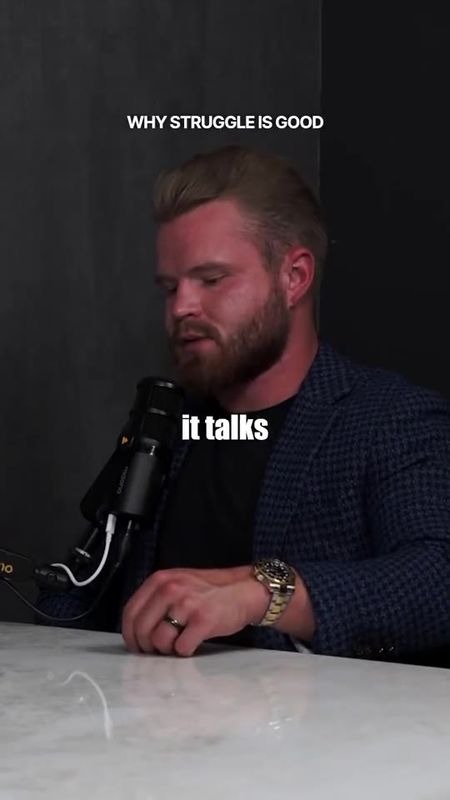

Here's what Cluely, the fastest-growing startup of the year, spent its first money on.
You've seen Cluely. They're everywhere right now, on every feed, every day. Here's the part most people miss: the first thing they did with their funding wasn't a better office, more developers or a bigger product roadmap. They built a content machine.
They hired 50 interns and put each one on 4 videos a day. They paid 60 creators to live in San Francisco and film daily, and 700 clippers to cut that footage into shorts. They hired 1 person whose only job is 100 new ideas a day. Then they built a system around it: a 100-to-1 rule, paid mid-size creators with a bonus for every million views, borrowed reach from big meme pages for 48 hours, and a manager per creator reviewing the numbers every week. Organic first, ads on top.
The product got better later. The attention came first, and that's what the investors, the hires and the customers actually bought.
Here's what they did.
Hover or tap a step50 interns. 4 videos each, every single day.
That's 200 videos a day before anyone edits anything. Nobody waits for the perfect take, nobody posts "when it feels right". Volume isn't a side effect of the system. It is the system.
60 creators, paid to move to San Francisco and film daily.
Faces people already follow, all in one city, on camera every day. Their audience becomes Cluely's audience, and the feed never has a gap because someone "didn't get around to filming this week".
700 clippers cut the footage into shorts and post across hundreds of accounts.
Then they buy reach wherever it's cheap:
1 head manager. Every video reviewed, 100 new ideas a day.
Someone sits above the whole machine: picks the hooks, checks every cut before it goes out, reads the numbers every week and hands the team the next 100 ideas. That's the seat I sit in for every Reze client, and it's the role I played for all 3 clients you'll see below.
This is what consistent looks like.
Every video below came out of this exact process, for a real client, on a real schedule. Hover to preview, click to watch with sound.Tap any video to watch with sound.

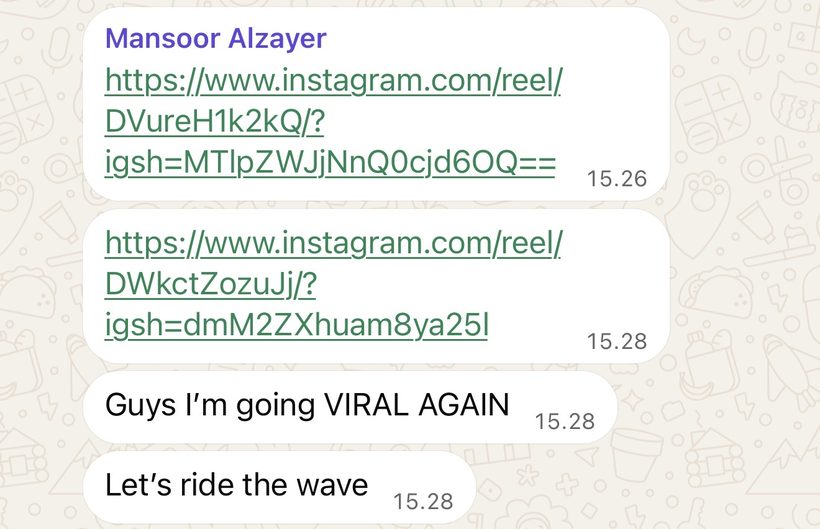
"Guys I'm going VIRAL AGAIN. Let's ride the wave."
2 all-time records.
The 2 highest-performing videos on his page, 8.2M and 7.4M views, came from our run. Below: 12 of the 300+ videos we produced for this account, picked to show range.
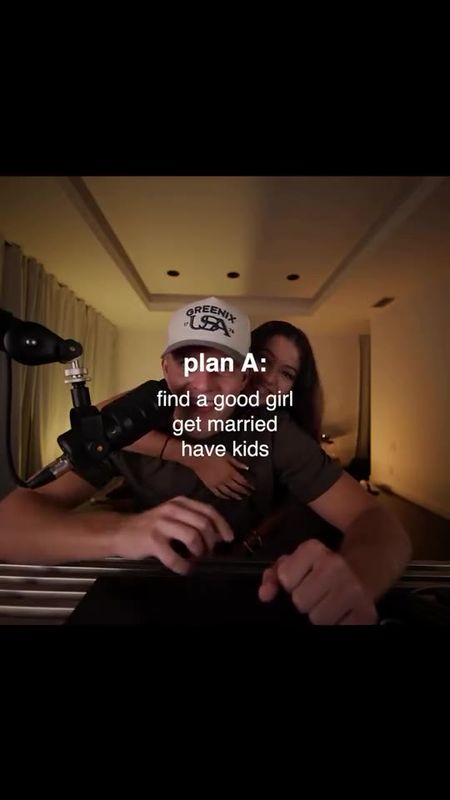
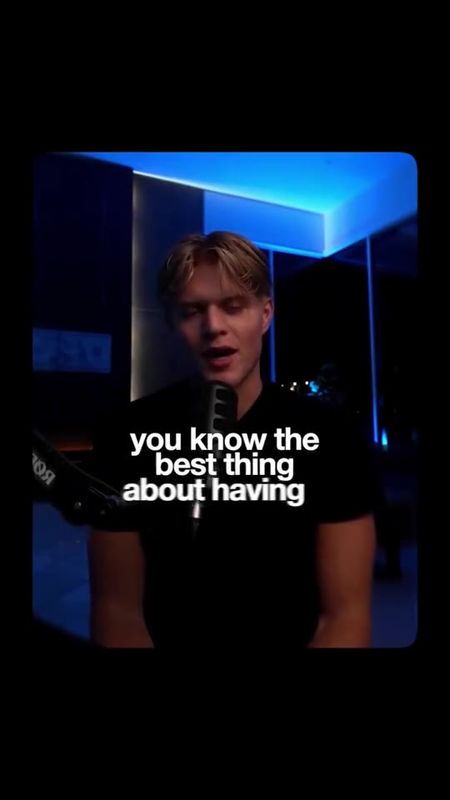
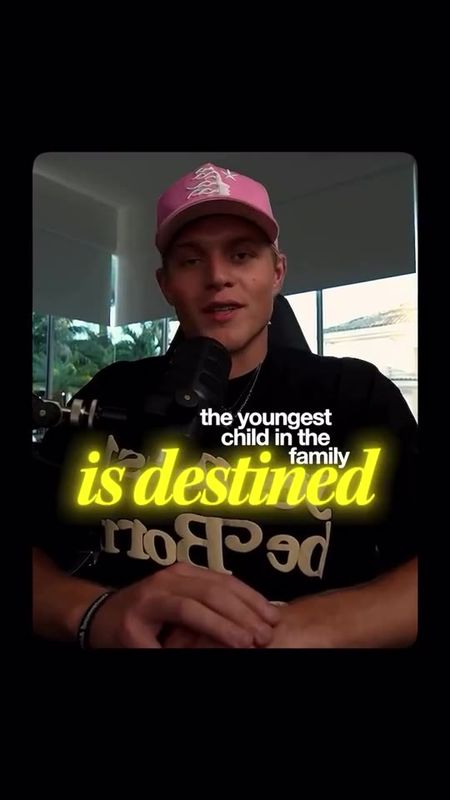

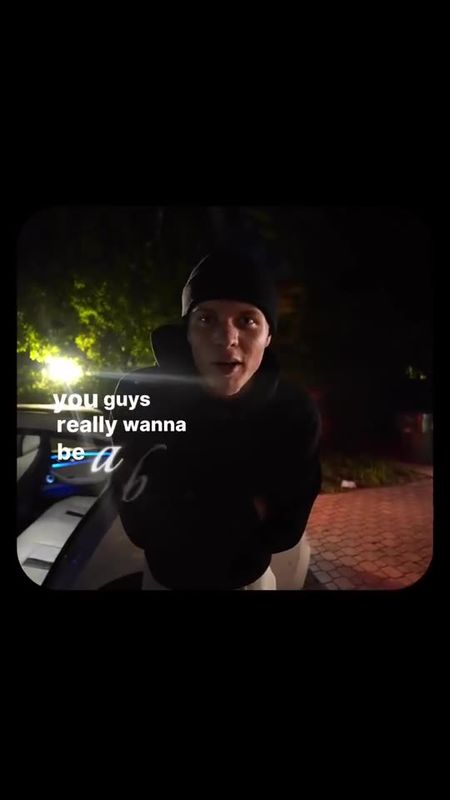

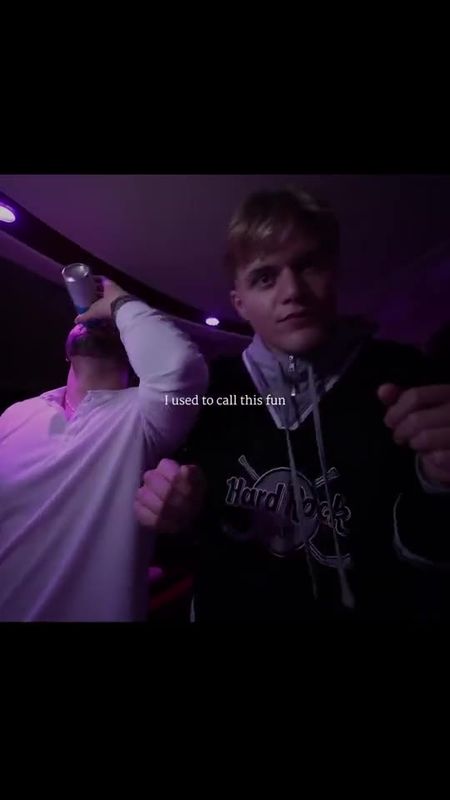
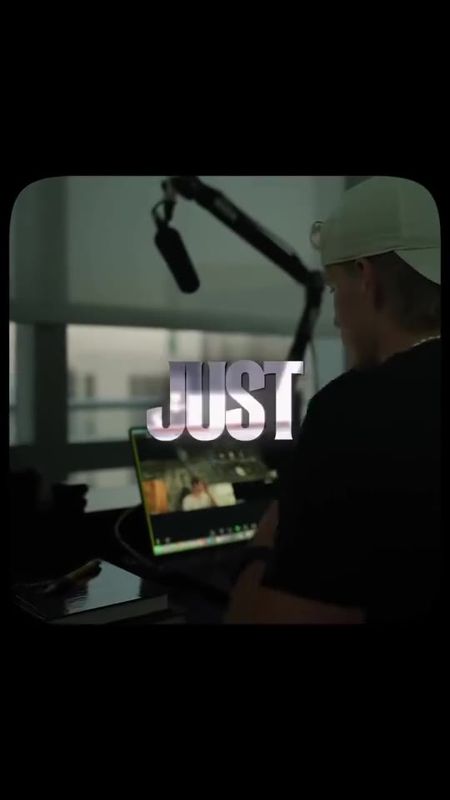
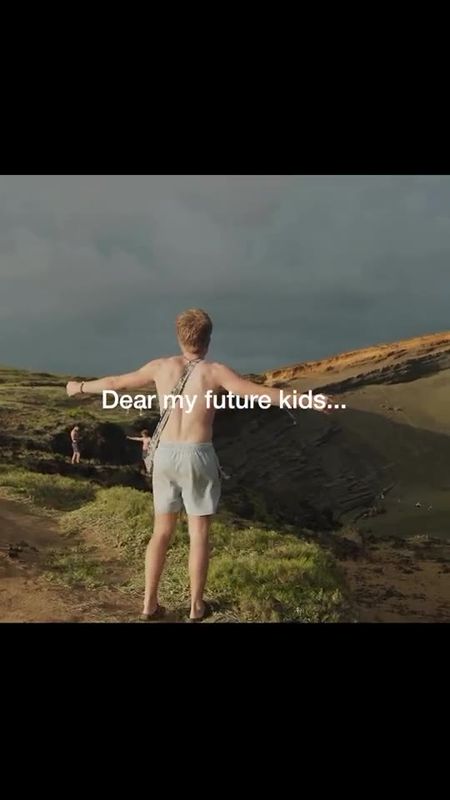

First viral video within a month.
528K views, then 201K and 158K, on an account with 19K followers. 7 videos past 19K views in 3 months.


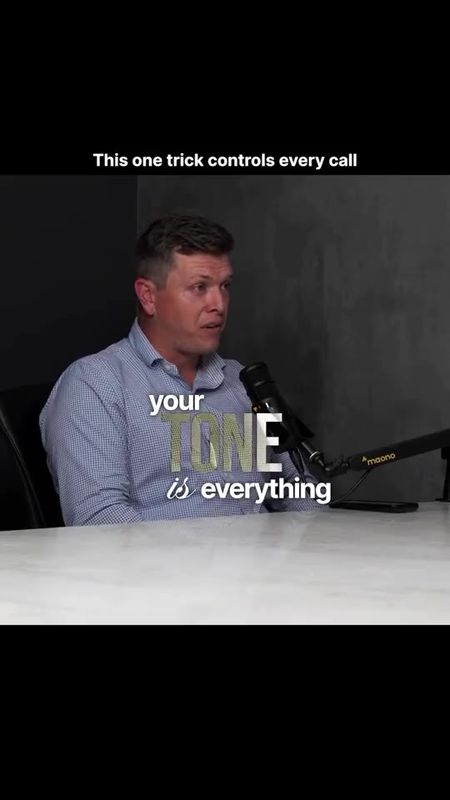
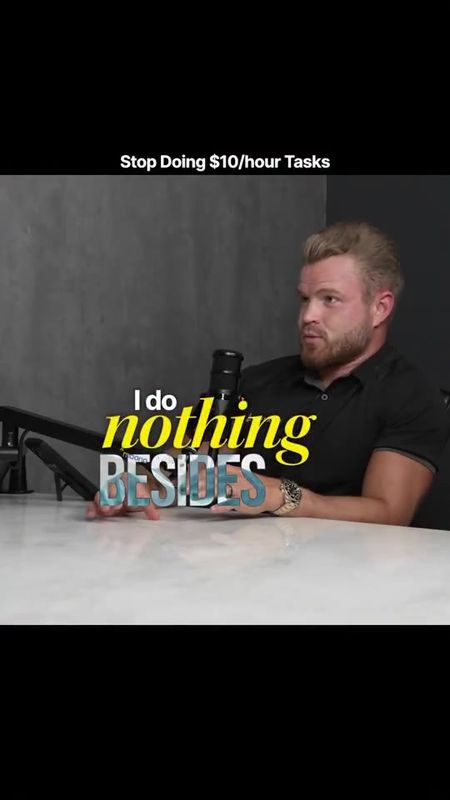
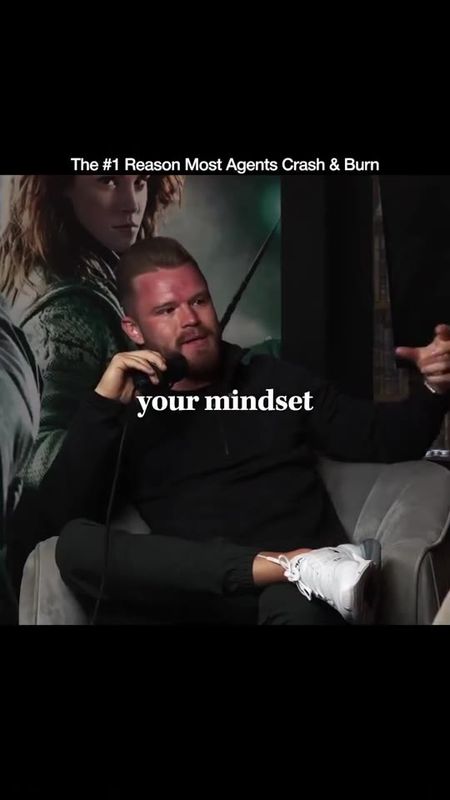

3K → 9.7K followers in 3 months.
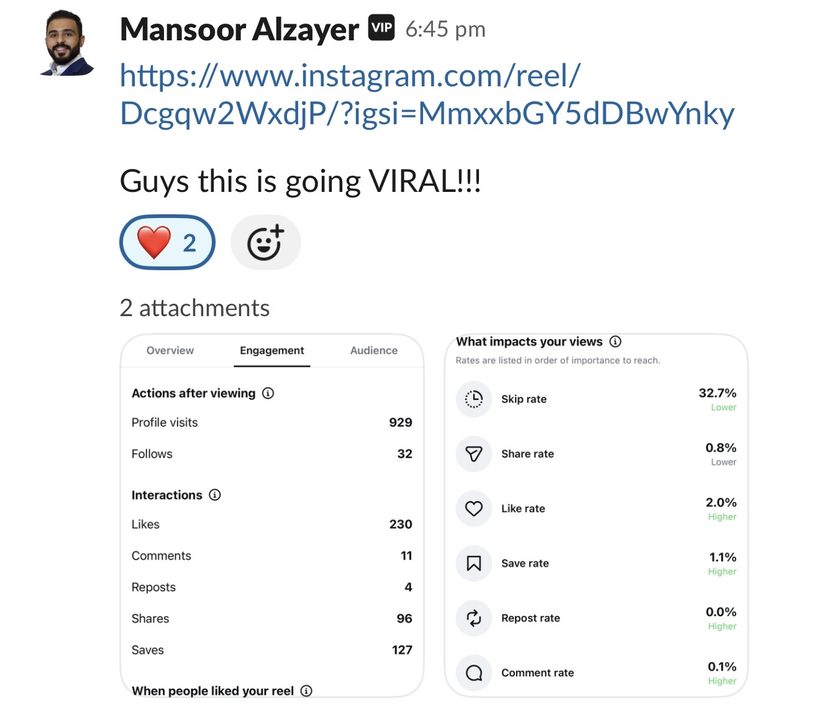
More than 3x. 1 reel alone sent 929 people to the profile.


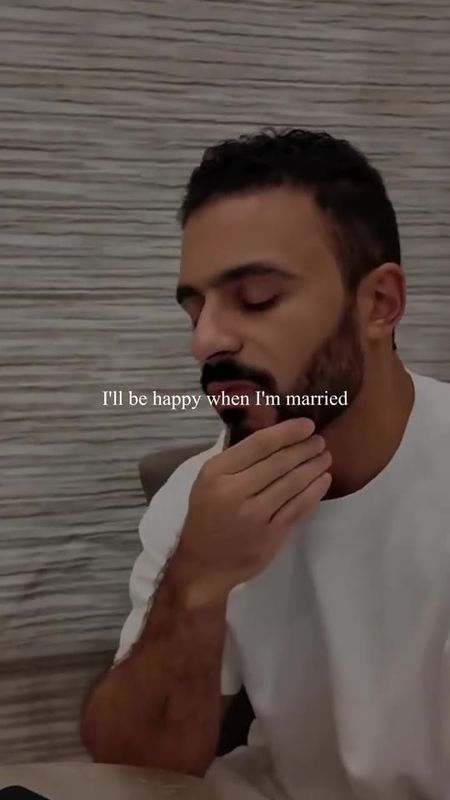
Every gap in your feed is a recruit who found someone else.
If you've tried to do this yourself, you already know at least 1 of these.
1 video pops. Then silence.
You know this one. A video takes off, the DMs come in for a week, and it feels like you've cracked it. Then a deal closes, a hire quits, you get busy, and the next post goes up 3 weeks later. The reach you earned? Gone. The algorithm doesn't wait for you.
You hired an editor. Now you manage a person.
Here's what nobody tells you about hiring a freelancer: you just bought yourself a second job. Briefs at 11pm. The same note 3 times. A revision that somehow comes back worse. 2 months in, you're opening CapCut yourself, which is exactly what you were paying to avoid.
40 clips on your phone. 0 posts.
Not because you don't care. You care a lot, that's why the clips exist. But deciding what to make, how to say it, and whether the cut is good enough is a full job, and you already have one. So the footage sits there, and so does your growth.
You film. Everything after the camera is ours.
Here's what actually stops happening the week you start.
You never stare at a blank script.
We watch what's already pulling views in your niche, every week, and build your scripts around it. Some to get you discovered, some to build trust, some to make people reach out. You walk up to the camera knowing exactly what to say.
You never chase anyone.
The editor reports to us, not to you. Briefs, deadlines, follow-ups, the "hey, any update?" messages, all of it happens on our side. Most of it before you even knew there was something to chase.
You never catch the typo.
Every single cut gets checked before you see it: the hook, the captions, the grammar, the pacing. If something's off, it gets fixed before delivery, not after you spotted it. Your only note should be "post it".
3 steps. You show up for 1.
No onboarding deck, no 6-week setup. This is the whole thing.
Send a brief.
10 minutes, in writing: who you are, what you sell, what's not working. Within 24 hours you get a plan and a price back. No call needed, unless you want 1.
Film in batches.
1 or 2 sessions a week, on your phone, with the scripts in your hand. We'll tell you which creators to study so you know the style before you hit record.
Post, then watch it work.
Finished, checked videos land in your folder on schedule. You press post. We read the numbers and shape next week's batch around what hit. That's the loop, and it compounds.
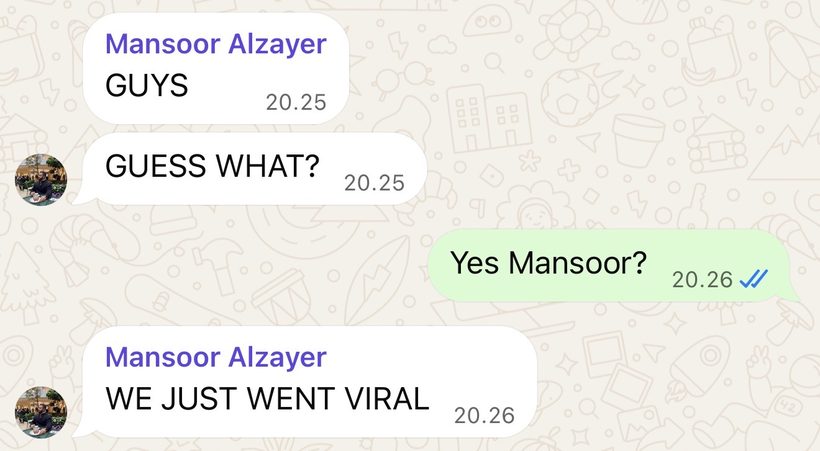
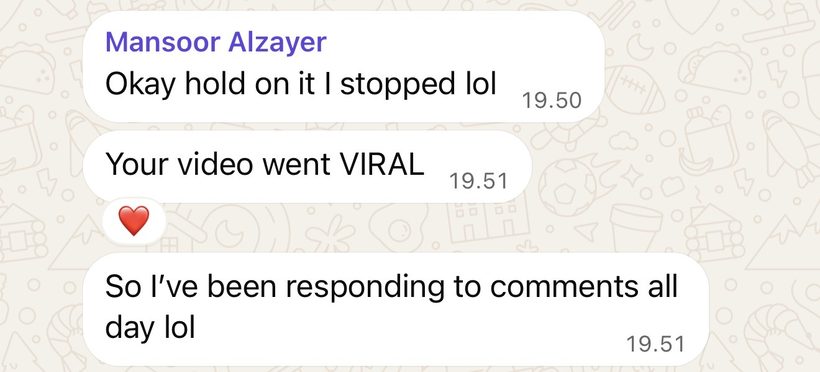
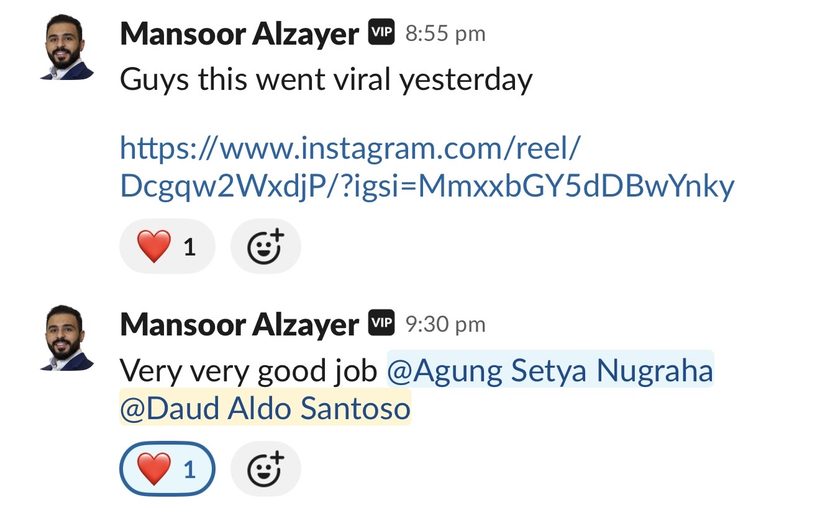
What it sounds like when it works.
I didn't write these. Mansoor and Jonah did, mid-week, the moment a video took off. Unedited, straight from the chat.
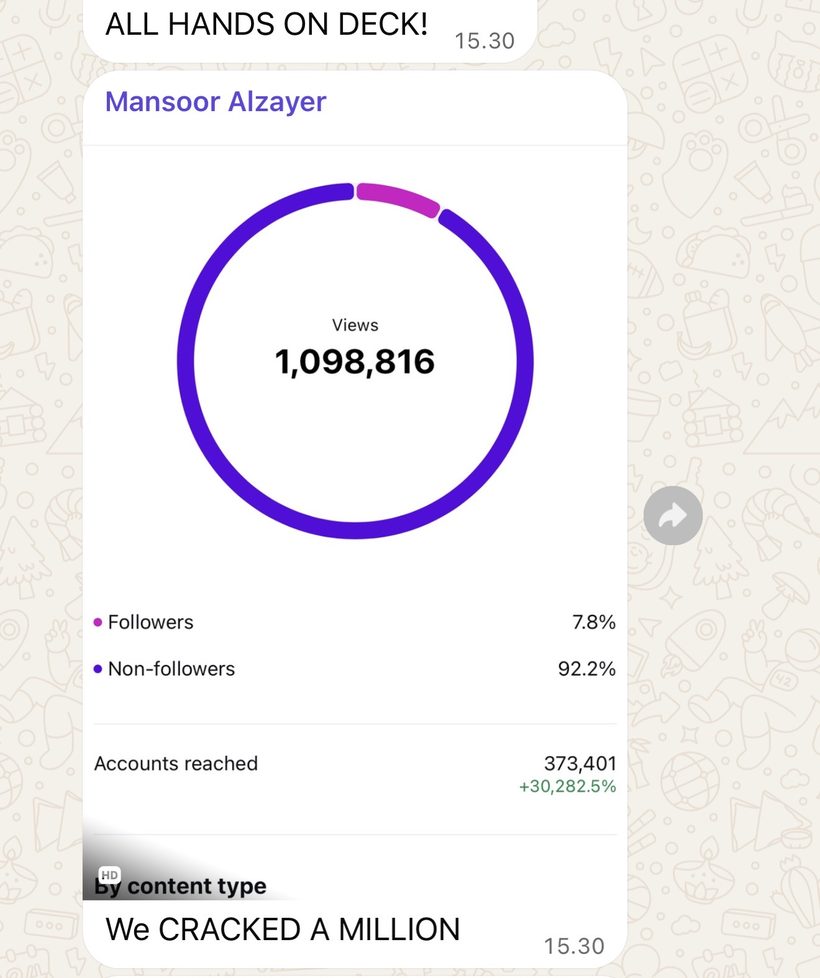
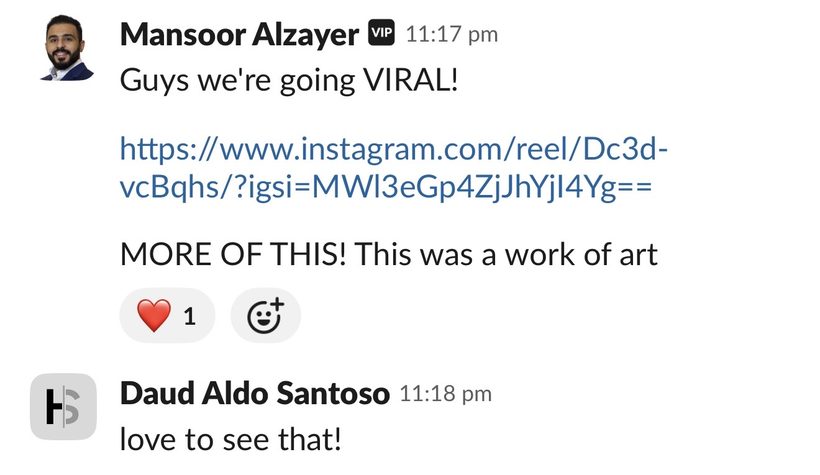

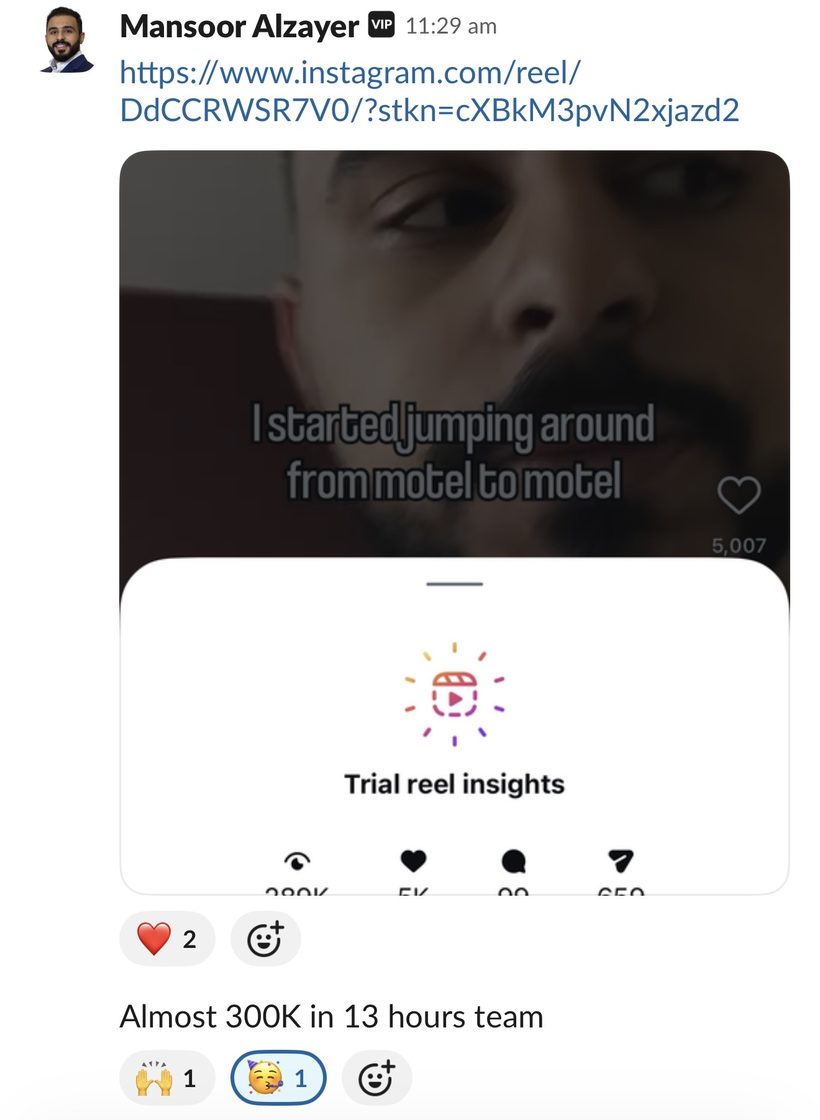
Before Reze, I ran content operations for 13 creators at once.
At Brand Operator, every editor, every brief, every revision and every deadline for these accounts went through me. That's where the process you're reading about was built, and these are the people it was built for.
1 fee. Everything handled.
No per-video invoices, no add-ons, no surprise line items. Same service on both plans. The only question is how long you want to lock the rate.
- Formats and scripts pulled from what's already winning in your niche
- Built around the creators you want to sound like
- A dedicated editor you never have to brief, chase or correct
- Every cut checked before it reaches you
- Same-day revisions, in writing
- Everything in Starter
- Priority turnaround
- Rate locked for 6 months
Things people ask before they send a brief.
Do I have to get on a call?
No. The brief is written, the quote is written, the weekly delivery is written. Some clients have never heard my voice and that's fine. If you'd rather talk it through, book a call. Nothing here depends on it.
I'm not great on camera. Does this still work?
Most clients weren't at first. Honestly, nobody is. The script tells you what to say, the format tells you how, and the edit does the heavy lifting. Your part is 10 minutes of talking to a phone, and it gets easier every week.
Who actually edits my videos?
A dedicated editor assigned to your account and managed by us. You'll know their name, they'll know your style, and they won't change every month. Consistency in the edit is half of consistency in the feed.
How fast are revisions?
Same day. Send a revision before midnight WIB (noon EST) and it's back the same day. Across every client so far, no revision has ever taken more than 24 hours.
What do I need to send?
Raw footage in a shared folder, once a week. That's it. Scripts, formats, editing, captions, checking, delivery: all ours.
What does it cost?
1 flat fee, same service on both plans: $3,500 a month for 3 months up front, or $3,000 a month for 6. No per-video pricing, because per-video pricing is how you end up posting less. See pricing.
Built by the person who ran the pipeline.
Daud
I'm Daud. I write the strategy, manage the editors and check every video myself before it reaches you. Before Reze, I was head of content operations at a creator agency, running 13 accounts at once: every editor, every brief, every deadline. That job taught me the 1 thing Reze is built on. Consistency isn't a creativity problem. It's an operations problem, and operations is what I do.
You've seen what consistent looks like. Now let's talk about yours.
Tell me about your channel: what you sell, who you want to reach, what's not working. If it's a fit, you'll have a plan and a start date within 24 hours.
30 minutes on Google Meet.
Pick a time that works for you. The invite, with the Meet link, lands in your calendar the moment you confirm.